
Responsible for digital strategy, growth systems, automation and artificial intelligence.
Public LinkedIn profile of Gerson Samussene(opens in a new tab)01
Gerson Samussene
Founder & CEO
Websites, software, automation and AI agents for companies in Mozambique, Portugal and Brazil.
We start by diagnosing one critical process, define the architecture and implement in stages. Websites, software, automation, integrations and AI agents come in when they fit the problem — not before.
A focused conversation · A defined problem · Clear next steps
Find your way
Step 1 of 3
Where does your company operate?
Prefer to see everything? All sectors
Requests arrive through several channels, but nobody knows exactly who should reply or follow up.
The team copies data, updates spreadsheets, prepares documents and answers the same questions over and over.
Website, WhatsApp, email, CRM and internal tools all work separately.
Management has no simple, up-to-date data on sales, operations, customers and bottlenecks.
The system
Instead of delivering isolated tools, we design an infrastructure in which website, software, automation, data and artificial intelligence work as a single system.
A digital presence that reaches the right company, with the message of the problem it recognises.
Every request comes in through a defined path, with the data needed to handle it.
The system separates what is urgent, what is a good fit and what should wait.
Each opportunity is logged with an owner and a deadline, instead of waiting for someone to remember it.
Operations receive structured information, not messages scattered across several channels.
Sales, operations and bottlenecks become visible in simple, up-to-date data.
Measurement feeds the next priority. The system evolves with real use.
Each one removes a different blocker. The diagnostic decides where to start — they are not all equally important for your company.
The same method, with the language, priorities and legal requirements of each country. We do not translate the same page three times.
We work with companies that already have demand and need structure: bringing requests, customers, suppliers and operations into one system, without replacing everything that already works.
Explore Mozambique (in Portuguese)We do not propose replacing what already works. We connect your existing systems, automate the work between them and help free qualified people’s hours for qualified work.
Explore Portugal (in Portuguese)We design for higher-volume operations and distributed teams, where a minute of manual work is multiplied by every transaction.
Explore Brazil (in Portuguese)Ten expansion markets, from Switzerland to Singapore, with the same discipline: diagnostic first, a price per phase once the scope is known, and human approval on critical decisions.
Explore GlobalEach sector has a different cost of inefficiency. Choose your country and see what we find most often.
We assess this sector through the diagnostic, starting from the process that costs most.
We assess this sector through the diagnostic, starting from the process that costs most.
We assess this sector through the diagnostic, starting from the process that costs most.
We assess this sector through the diagnostic, starting from the process that costs most.
We do not start by building. We start by understanding the decision, the process, the users and the expected outcome. The client approves each stage before committing to the next.
Is there a problem important and suitable enough?
Where is the cause, and which intervention is defensible?
Does the solution work in a real, limited context?
Does the solution meet the requirements and acceptance criteria?
Does the operation use the system consistently?
Which improvement creates the most value now?
The diagnostic turns a loosely defined problem into an executive decision with the process, priorities, risks, options and clear next steps.
What you receive
A focused conversation. A defined problem. Clear next steps.
Loading the diagnostic…
AGORAMOZ is a young company. Instead of presenting results we do not yet have, we show the reasoning, the method and demonstrations labelled as such.
We do not present an architecture without having mapped the current process. If the diagnostic concludes there is no fit, we say so — and there is no proposal.
We work on top of the systems the company already uses, where there are APIs, permissions and documentation. Feasibility is validated before the final proposal, not after the contract.
Feasibility validation is a phase of the diagnostic, with a written result.
Orders, statuses, customer notifications and an operations dashboard in a single flow — designed to show the logic before implementing it.
Conceptual demonstration created by AGORAMOZ. The data and organisation shown are fictitious and do not represent client results.
A request comes in, is classified by fit and urgency, and is routed with the context needed by whoever has to reply.
Conceptual demonstration created by AGORAMOZ. The data and organisation shown are fictitious and do not represent client results.
Every project defines deliverables, dependencies, access, acceptance criteria, data protection, support and exclusions. We do not promise commercial results outside our control. We commit to the quality and working order of the agreed components.
01Deliverables and exclusions written down before the start
02Acceptance criteria defined with the client
03Dependencies and access identified up front
04Data protection and human supervision on critical decisions
Responsible for digital strategy, growth systems, automation and artificial intelligence.
Public LinkedIn profile of Gerson Samussene(opens in a new tab)Founder & CEO
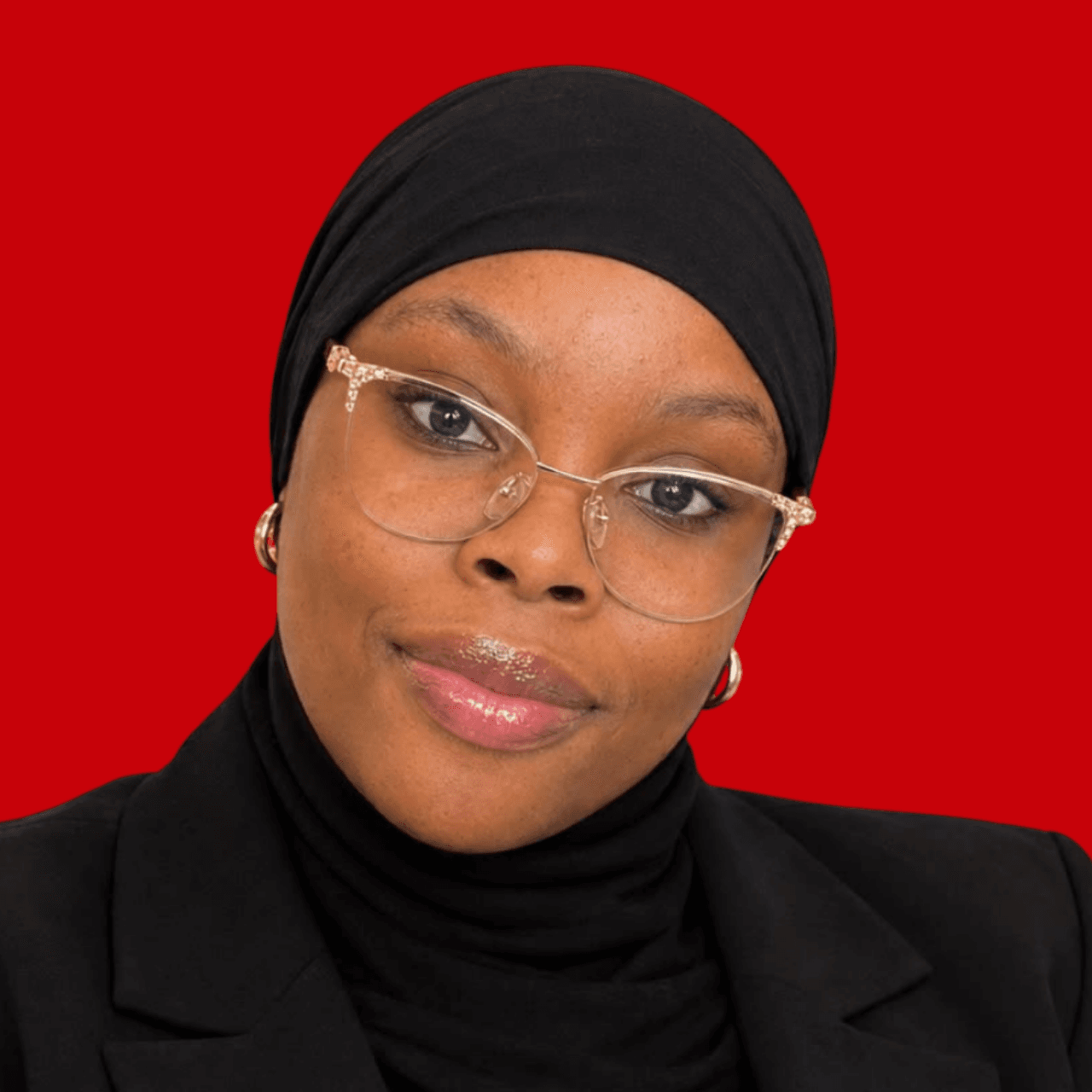
Responsible for strategic partnerships, opportunities, investment and development in the energy sector.
Public LinkedIn profile of Sheinaz Amisse(opens in a new tab)Co-founder & Chief Energy Officer
No. We work with companies that have an economically relevant problem, an internal owner and the capacity to implement the solution.
We choose the architecture based on the problem, security, integration, maintenance and total cost. The tool is a technical decision, not the product.
It depends on whether there are APIs, permissions, documentation and security requirements. Feasibility is validated before the final proposal.
The main goal is to support people, reduce repetitive tasks and improve access to information. Critical decisions must keep human control and supervision.
No. We do not guarantee results that depend on demand, the offer, pricing, the sales team or the client’s execution. We commit, by contract, to the agreed deliverables and acceptance criteria.
The investment depends on the process, the integrations, the risk and the scope. The diagnostic determines whether a simple solution, a sprint or a custom system is needed.
Share the process you want to improve. AGORAMOZ will analyse the problem, its feasibility and the recommended next step.
No sales pressure · Diagnostic before proposal